
La web de referencia para el estudio del graffiti y el arte urbano
Urbanario es desde 2008 la web de referencia en castellano para el estudio del graffiti y el arte urbano. Nuestro contenido ha sido siempre pionero tanto para descubrir artistas y momentos clave en la historia del graffiti y el arte urbano como en el planteamiento de análisis críticos sobre estos fenómenos.
Urbanario es la plataforma profesional de Javier Abarca, pensador y docente líder internacional en el campo del graffiti y el arte urbano.
Textos clave para investigar el graffiti y el arte urbano
Urbanario Artículos es una colección de artículos de fondo escritos por Javier Abarca. Incluye textos que han marcado un antes y un después a nivel internacional en la investigación sobre el graffiti y el arte urbano.
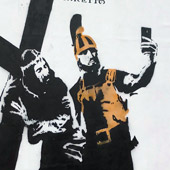
Consígueme un muro, necesito likes
Hace ya unos años, cuando aún vivía en Madrid, recibí una llamada de un colega de la escena del arte urbano: “¿Qué tal? Mira, es que está por aquí un artista, que es amigo de un amigo, y el tío es de Nueva Zelanda, y está en Madrid unos días y me ha preguntado si podría encontrarle un sitio donde pintarse un muro guapo. ¿Tú sabes si en La Tabacalera o en Esta Es Una Plaza podría pintar? El tío se lo curra mucho y tal.” [leer más]

Del arte urbano a los murales, ¿qué hemos perdido?
Los grandes murales institucionales que se han hecho habituales desde 2010 suelen ser llamados arte urbano. Este uso del término crea confusión, dado que existen diferencias claras y fundamentales entre estos murales y las obras a las que llamábamos arte urbano en la década anterior, más pequeñas y producidas sin permiso. Este texto identifica las diferencias entre estas dos prácticas y es al tiempo una descripción detallada de las cualidades que hacen único al arte urbano independiente. [leer más]
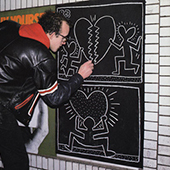
Conservar o no conservar el arte urbano
Una breve reflexión sobre la naturaleza del arte urbano, y sobre las limitaciones de las distintas formas de conservación –la fotografía por un lado, y la conservación física de obras por otro– a la hora de preservar los aspectos más importantes de esa naturaleza. [leer más]
La primera escuela sobre graffiti y arte urbano
En 2020 se fundó la Escuela Urbanario, la primera academia en el mundo especializada en cursos avanzados sobre graffiti y arte urbano. La escuela ofrece un estudio completo y detallado de estos fenómenos desde los puntos de vista histórico, teórico y crítico.
La formación en la Escuela Urbanario es 100% online y está diseñada e impartida por Javier Abarca.
Pulsa aquí para leer declaraciones de alumnos sobre su experiencia en la Escuela Urbanario.
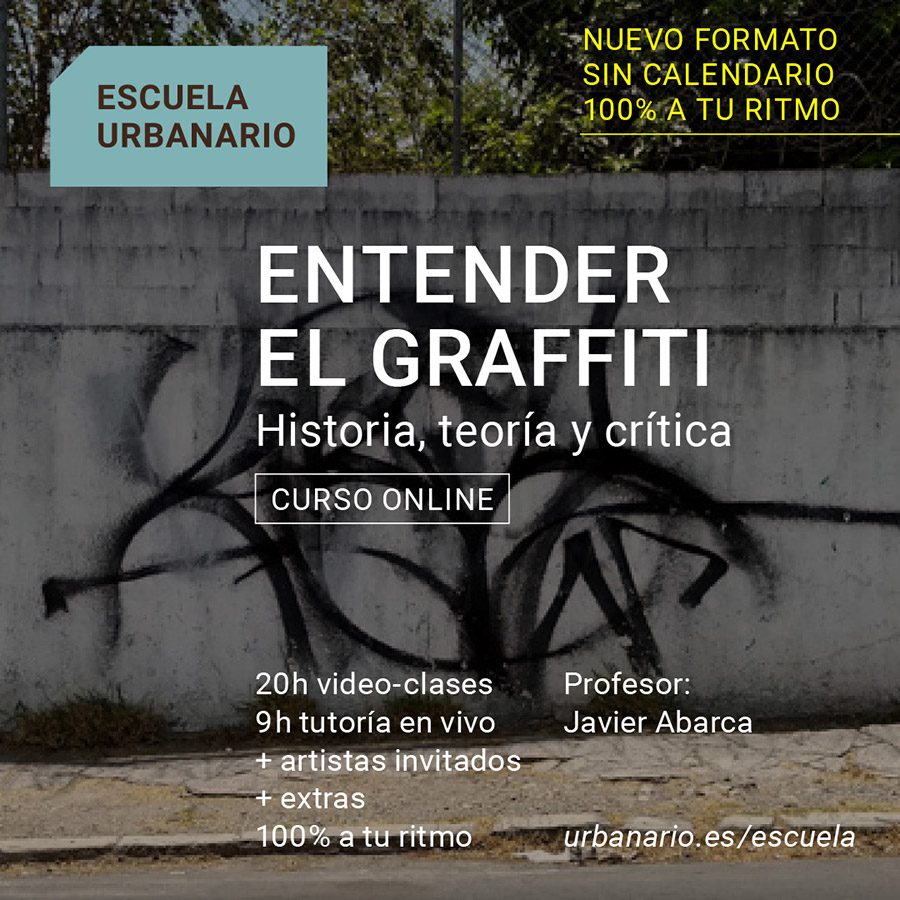
El curso online Entender el Graffiti ofrece una completa exploración histórica, teórica y crítica del graffiti, desde las firmas más humildes hasta las obras más espectaculares.
Impartido por Javier Abarca, investigador de referencia en el estudio del graffiti y uno de los pioneros más respetados del graffiti español.
9 video-clases (20 horas) + extras.
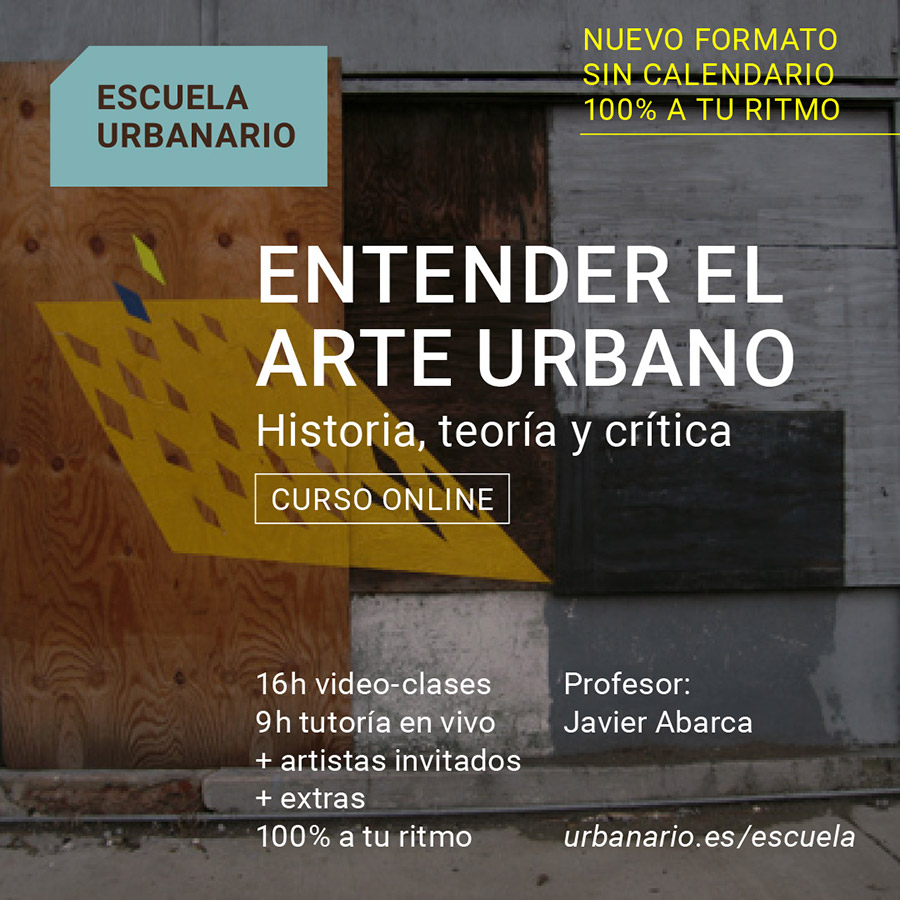
El curso online Entender el Arte Urbano ofrece una completa exploración histórica, teórica y crítica del arte urbano, desde los adhesivos y los stencils hasta los grandes murales.
Impartido por Javier Abarca, investigador de referencia en el estudio del arte urbano y cómplice de artistas fundamentales de la escena internacional.
9 video-clases (16 horas) + extras.
Un blog único en el campo del graffiti y el arte urbano
Nuestro Urbanario Blog incluye cientos de referencias poco conocidas seleccionadas y comentadas por Javier Abarca.
Desde 2008 nuestro blog ha informado puntualmente de los momentos más relevantes en la evolución artística y social del graffiti y el arte urbano, ha descubierto aspectos históricos fascinantes, y ha reseñado los artículos y documentales más relevantes sobre este campo.

Documental: Historia del graffiti y el arte urbano en Barcelona
“Fanzilona” es una serie de videos de 30 minutos sobre la historia subcultural de Barcelona. Varios capítulos cubren la historia local del graffiti y el arte urbano. ¡Muy recomendable!
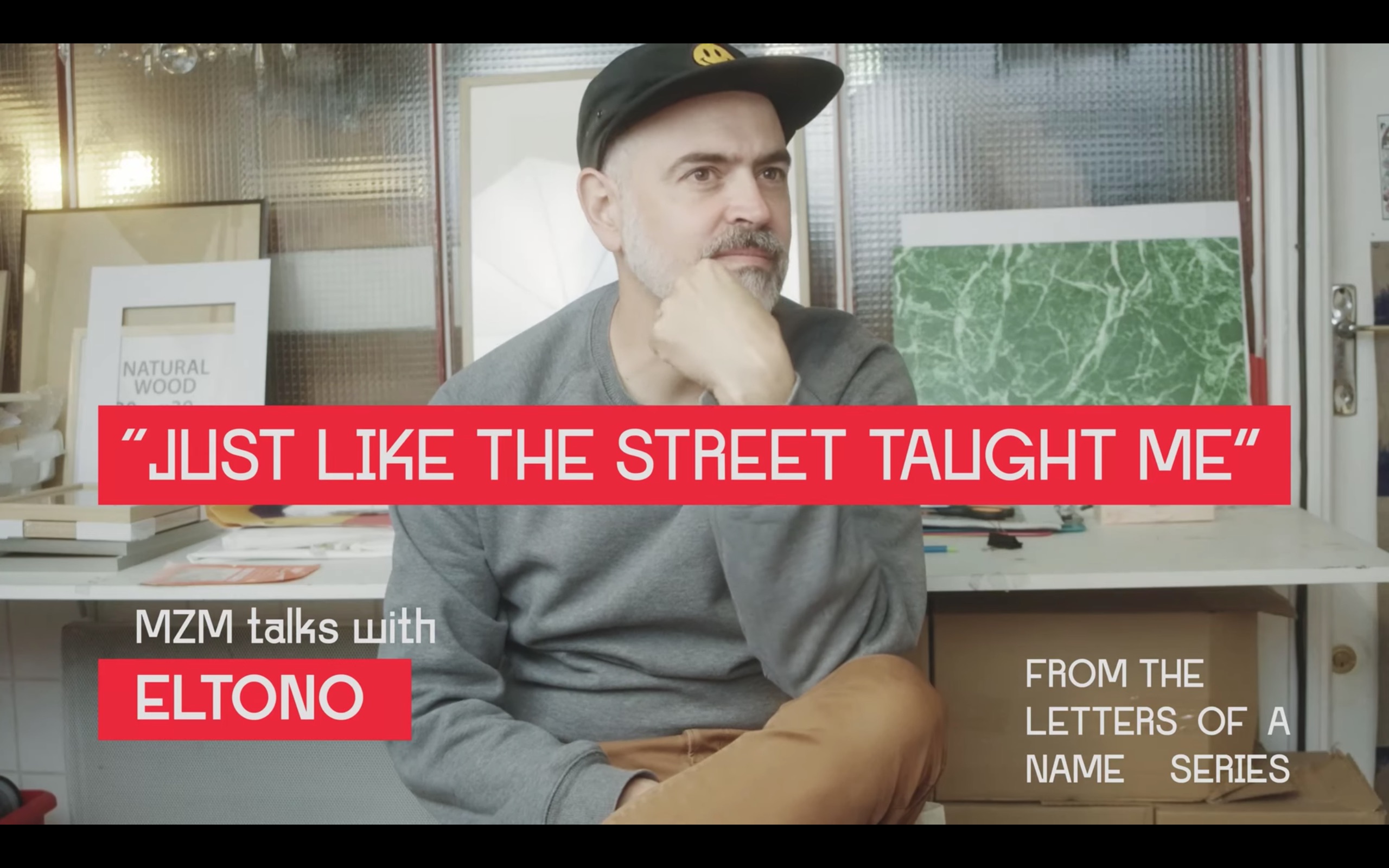
Video: Explorando la carrera de Eltono
En esta estupenda entrevista Eltono explica cómo funciona su trabajo, desde sus pinturas furtivas hasta sus murales generativos.

El gobierno ataca la gráfica popular
La Alcaldía de Cuauhtémoc, que forma parte de la Ciudad de México, ha ordenado recientemente eliminar los multicolores rótulos populares que identificaban la multitud de puestos informales callejeros de la zona. La relevancia de la gráfica popular en México convierte esta arbitraria eliminación en una verdadera tragedia cultural, que ha producido reacciones de rechazo e indignación.
Libros sin precedentes sobre graffiti y arte urbano
Nuestra editorial Urbanario Libros ha publicado libros sin precedentes que investigan capítulos muy poco conocidos de la historia del graffiti y el arte urbano, desde el graffiti punk de los 70 hasta el graffiti hobo del siglo XIX.
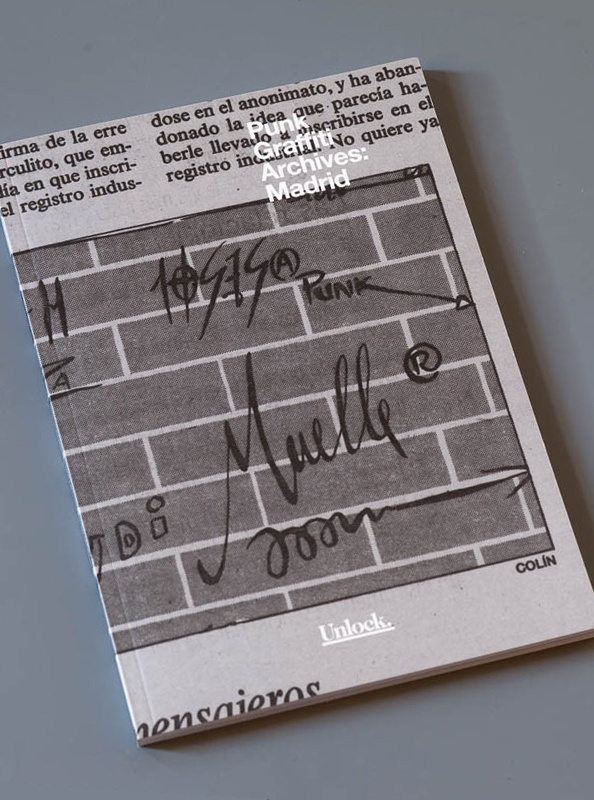
Punk Graffiti Archives: Madrid documenta la desconocida escena del graffiti flechero que invadió las calles de Madrid en la segunda mitad de los ochenta, antes de que la tradición del graffiti neoyorquino se extendiera entre la juventud local.

Punk Graffiti Archives: The Netherlands documenta la escena de graffiti con origen en el punk que invadió Holanda entre 1977 y 1983, antes de que la tradición del graffiti neoyorquino se extendiera entre la juventud local.
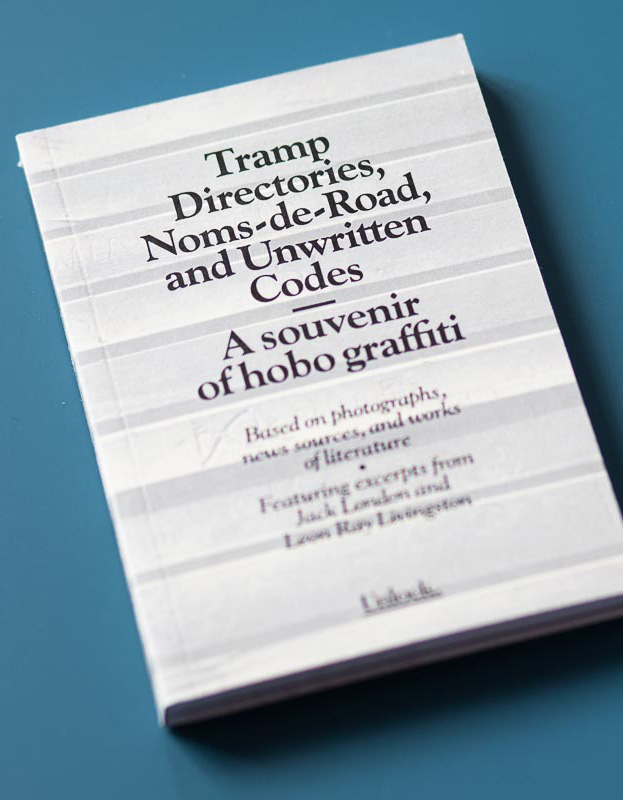
Esta publicación sin precedentes saca a la luz la cultura de graffiti más desconocida y fascinante que haya existido: el graffiti hobo de finales del siglo XIX y principios del XX. Incluye textos de Jack London en los que narra sus aventuras como hobo y grafitero.
Un especialista líder internacional
Urbanario es la plataforma profesional de Javier Abarca, uno de los más respetados pioneros del graffiti español y figura clave internacional en la investigación del graffiti y el arte urbano.
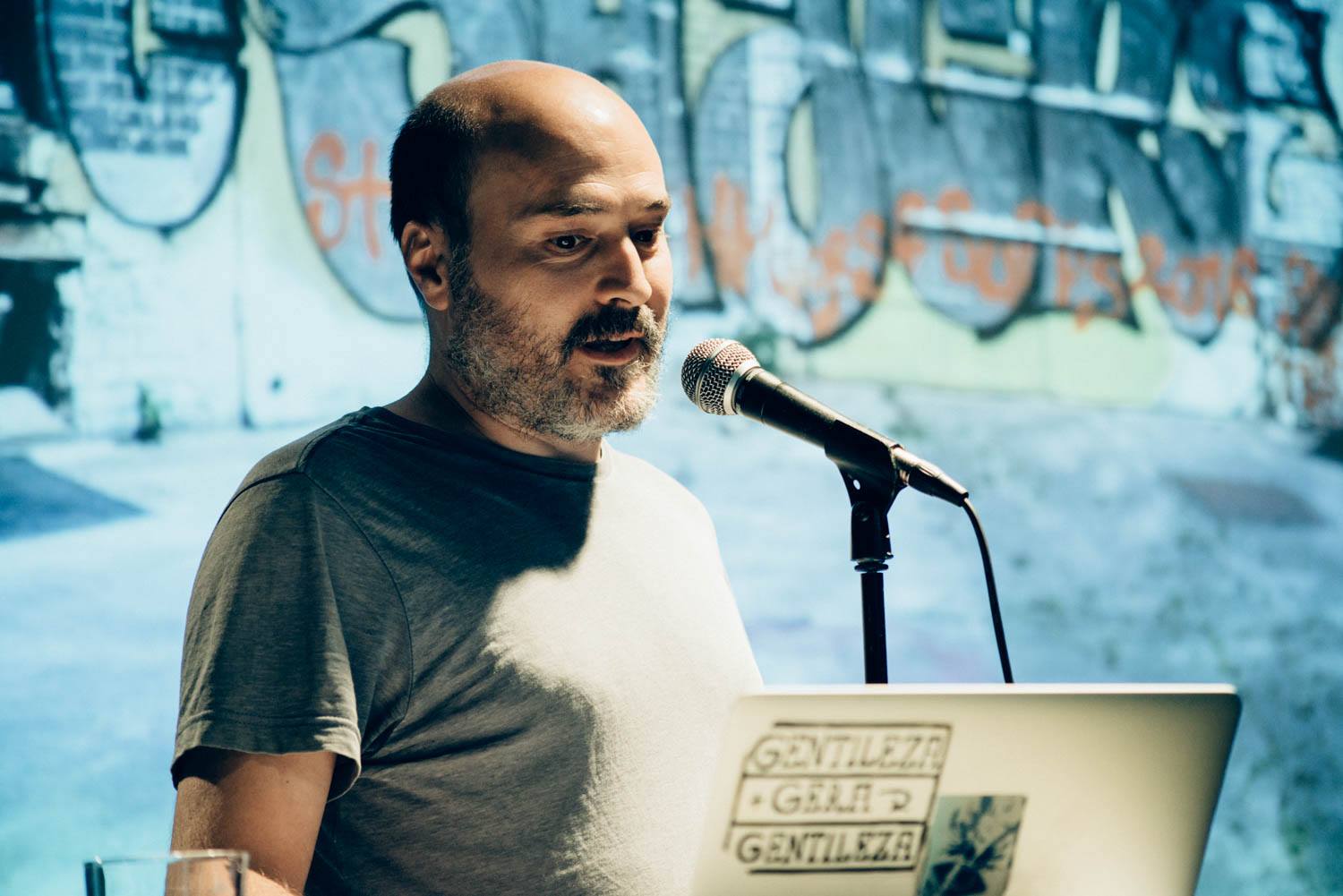
Javier Abarca ha impartido clases y conferencias sobre graffiti y arte urbano internacionalmente a nivel universitario durante más de quince años. Dirigió una asignatura sobre graffiti y arte urbano en la Universidad Complutense de Madrid entre 2006 y 2015.
La tesis doctoral de Javier Abarca (2010) planteó los cimientos del estudio del arte urbano en castellano. Es citada habitualmente en artículos académicos de España y América, y ha sido descargada más de 24.000 veces.
Javier Abarca es fundador y director de Unlock Book Fair y Tag Conference, eventos internacionales centrales en la investigación sobre graffiti y arte urbano. Ha trabajado con artistas como SpY, Eltono, Escif, Suso33, Sixe, MOMO, Mathieu Tremblin, Wermke/Leinkauf, Adam o Akay.
Pulsa aquí para leer declaraciones de expertos de todo el mundo sobre la figura de Javier Abarca.
Más sobre el trabajo de Javier Abarca en su web personal javierabarca.es.